Morocco’s Handmade Carpet Industry
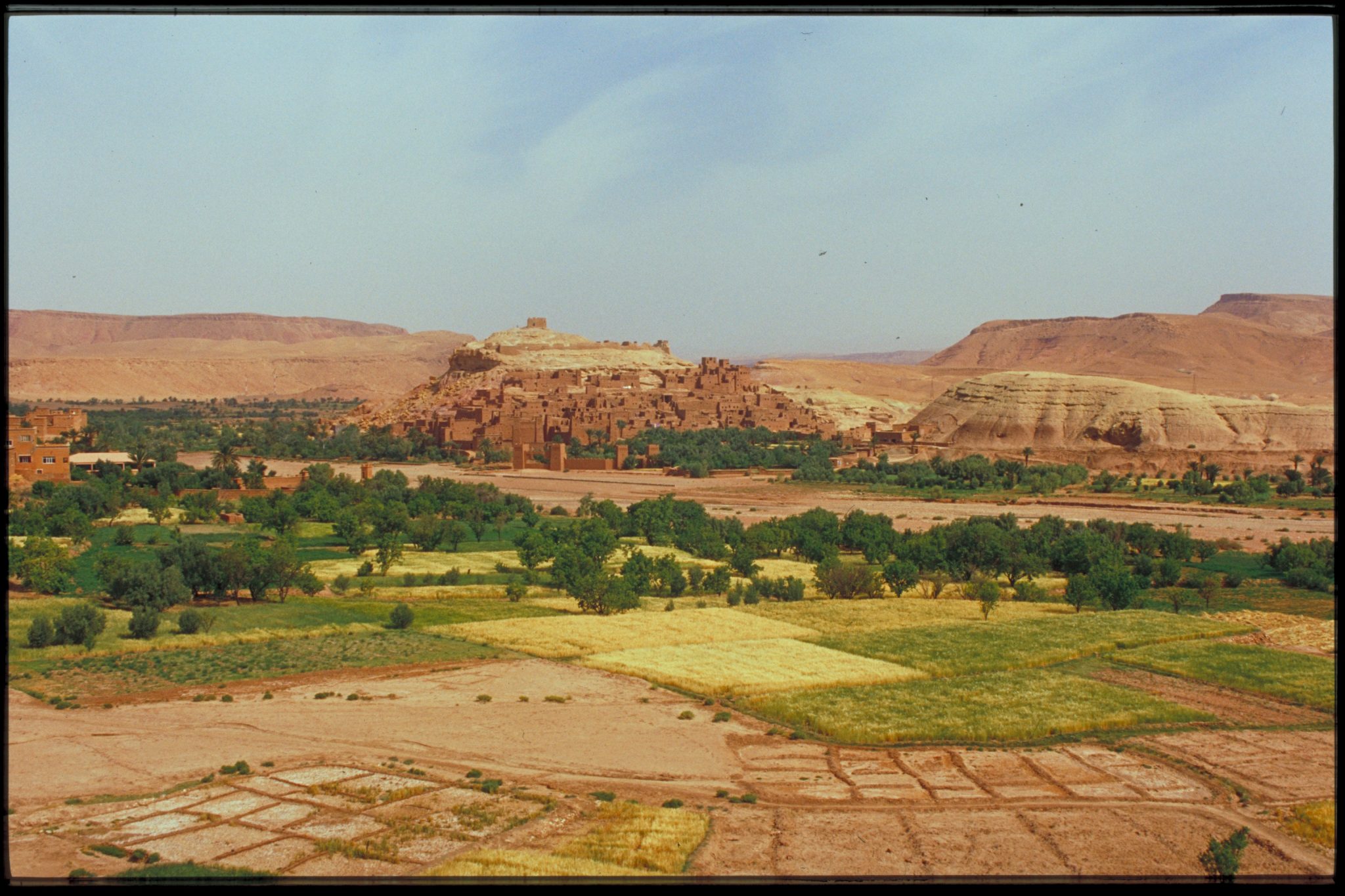
Located in the Maghreb region of North Africa, Morocco is home to some of the world’s earliest handmade rug traditions. The country’s enduring carpet designs and techniques are often attributed to the Amazigh (Berber) peoples and other nomadic indigenous tribes from the region, with additional localised designs appearing across cities and towns as they developed. Morocco’s varied landscape, which spans from arid desert terrain to high-altitude mountain ranges, informed the rise of two principal styles of carpets: light flatweaves and coarser high piles.
Morocco’s rugs are globally admired for their free-spirited artistry and bold character. They are not merely decorative pieces but also serve as storytelling tools, reflecting the traditions, customs, and beliefs of the communities that create them. Each carpet often carries symbolic motifs and patterns that hold deep meaning within Moroccan culture.
The production of handmade rugs in the country continues in countless rural villages but is now supplemented by more formalised workshops in central urban areas that arose throughout the 1970s and 80s. While the diversity of production styles and techniques is certainly one of the strengths of the Moroccan rug industry, it has also given rise to some difficulties for weavers such as a lack of access to reliable and fair pay, health and safety measures, and technical support.
Label STEP in Morocco
Label STEP has been working with Morocco’s handmade carpet industry since 2000, covering both traditional rural weaving in private homes and small workshops as well as the more formal and centralised production sites mostly found in urban coastal areas of the country. As always, STEP’s foremost objective is to monitor the compliance with STEP’s industry-leading fair trade Standard in all aspects of the country’s carpet supply chain. However, in addition to this STEP has identified specific ways to support Morocco’s specific needs such as technical support in the areas of wool dyeing and washing as well as health and safety programs directed at the rural weaving communities.
In 2022, STEP partnered with a local government-run organisation, the Moroccan Maison de l’Artisan, toward improving and updating the country’s carpet industry for the contemporary. The primary concentrations of this partnership are to help strengthen the industry’s sustainability, promote their access to international markets, and improve the overall conditions of its weavers and workers. By this mandate STEP is helping to support an equitable continuation of the country’s long standing weaving traditions.